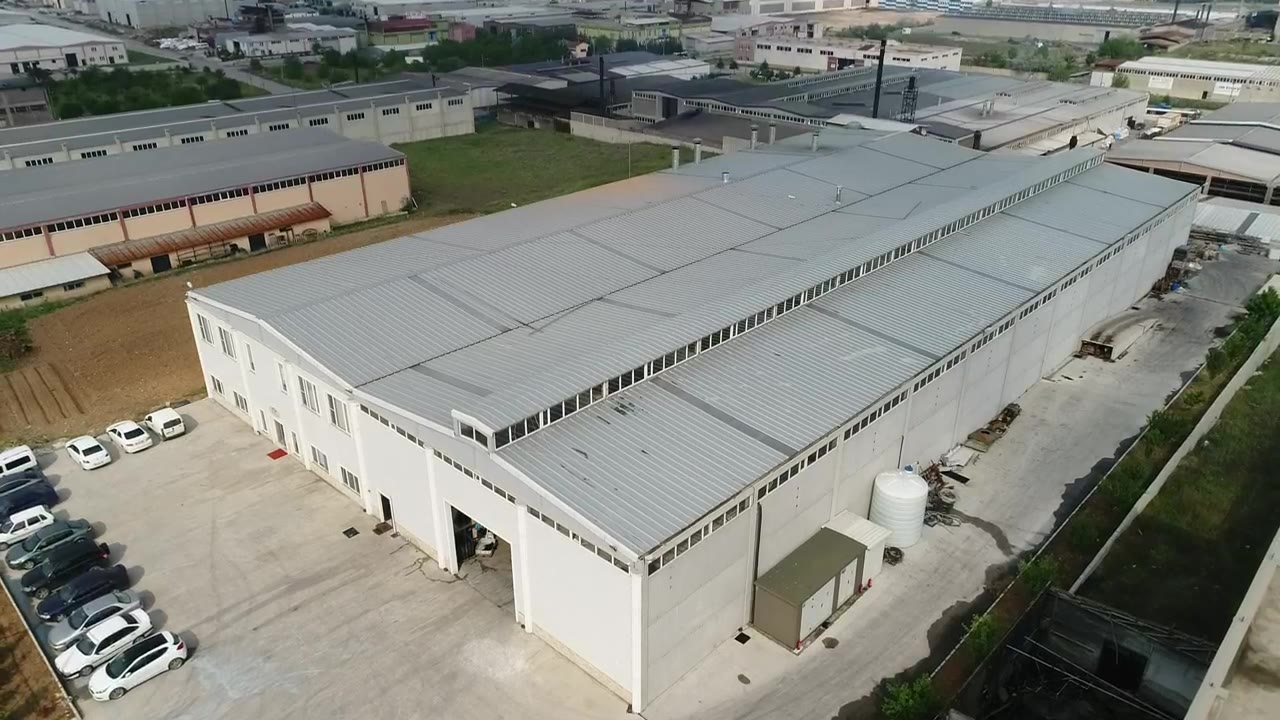
Wind and hail/Large commercial roofs
The roof is restored from the claim.
NCR builds the insurance file for a wind- or hail-damaged commercial roof, then restores the system with the proceeds — often with little or no cash from the owner.
Nothing is promised before the roof is seen and the policy is read.
- 01
Inspect
- 02
Document
- 03
Substantiate
- 04
Present
- 05
Restore
Not a client property
Two perils, one file
Start with the storm. Stay with the claim.
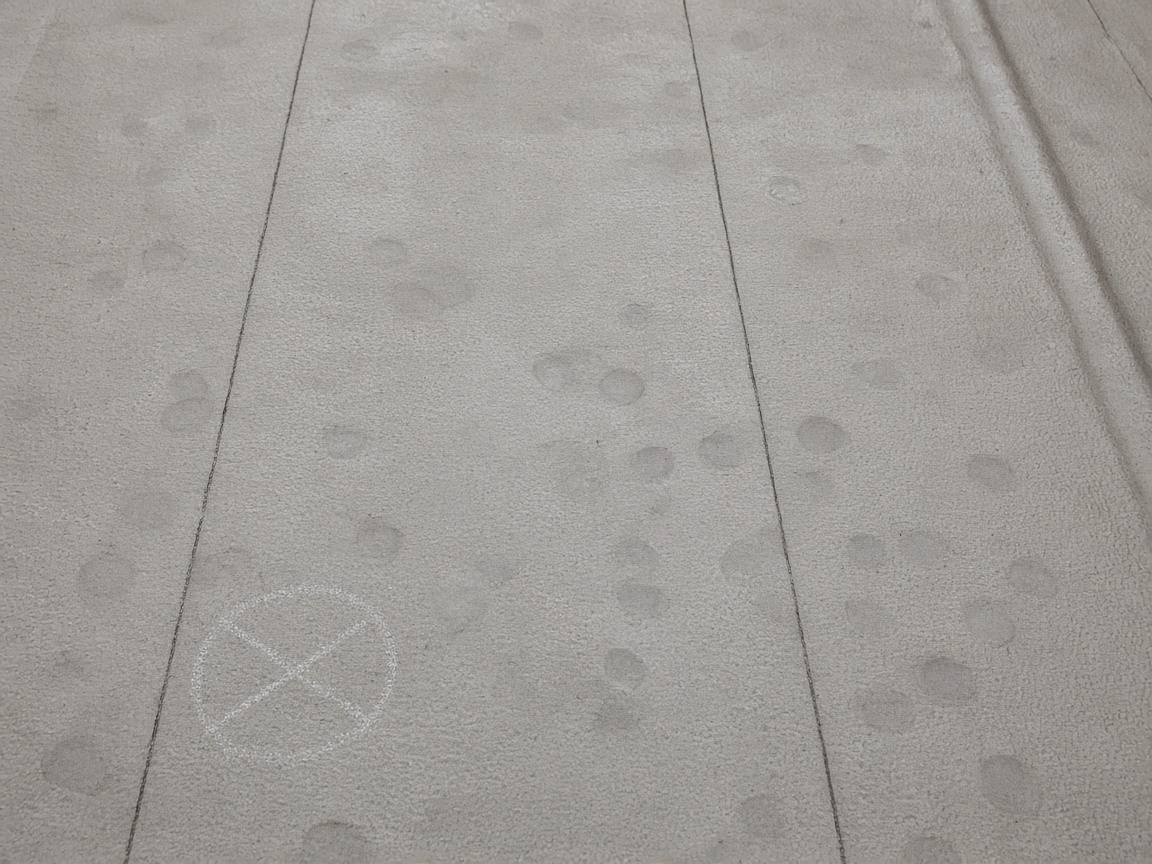
The product
A roofing system is what gets installed. The file is the business.
A carrier does not fund a commercial roof because a contractor wants the work. It funds a loss that has been walked, photographed, separated from wear, and written so a reviewer can audit it.
That record is what NCR repeats in every market. Restoration, including an update when code and the policy support one, is scoped to the file. It is not a separate sales story.
Operating sequence
Same five instruments. Same order.
- 01
Inspect
The file receives. Roof plan, measured area, assembly notes, and photographs keyed to location.
- 02
Document
The file receives. A chronology, a labeled photo index, and the conditions under which the roof was observed.
- 03
Substantiate
The file receives. A damage theory, a marked plan, and an explicit split between storm scope and owner-retained items.
- 04
Present
The file receives. A carrier presentation: property identification, storm context, evidence, and a scope tied to the evidence.
- 05
Restore
The file receives. A restoration specification aligned to the loss, and a separate line for any upgrade.
NCR is not a public adjuster. We do not interpret the policy or decide what the carrier owes. The evaluation, and the boundary.
The assets
Large commercial roofs. Not houses.
Office
A capital event, read by an asset manager.
Retail
Many roofs, one storm, one standard of proof.
Industrial
Large membranes, where anecdote fails.
Multifamily
Occupied buildings. A record an owner can defend.
Hospitality
A weather-tight asset, with the scope kept honest.
Often.
Little or no out-of-pocket. Never a number promised in advance.
Where storm damage is substantiated, insurance proceeds are the primary funds for returning the roof to pre-storm condition, and sometimes for updating it in the same mobilization. Deductibles, exclusions, maintenance, and betterment can remain with the owner. The policy, the facts, and the carrier decide the number.