Skip to content
NCR
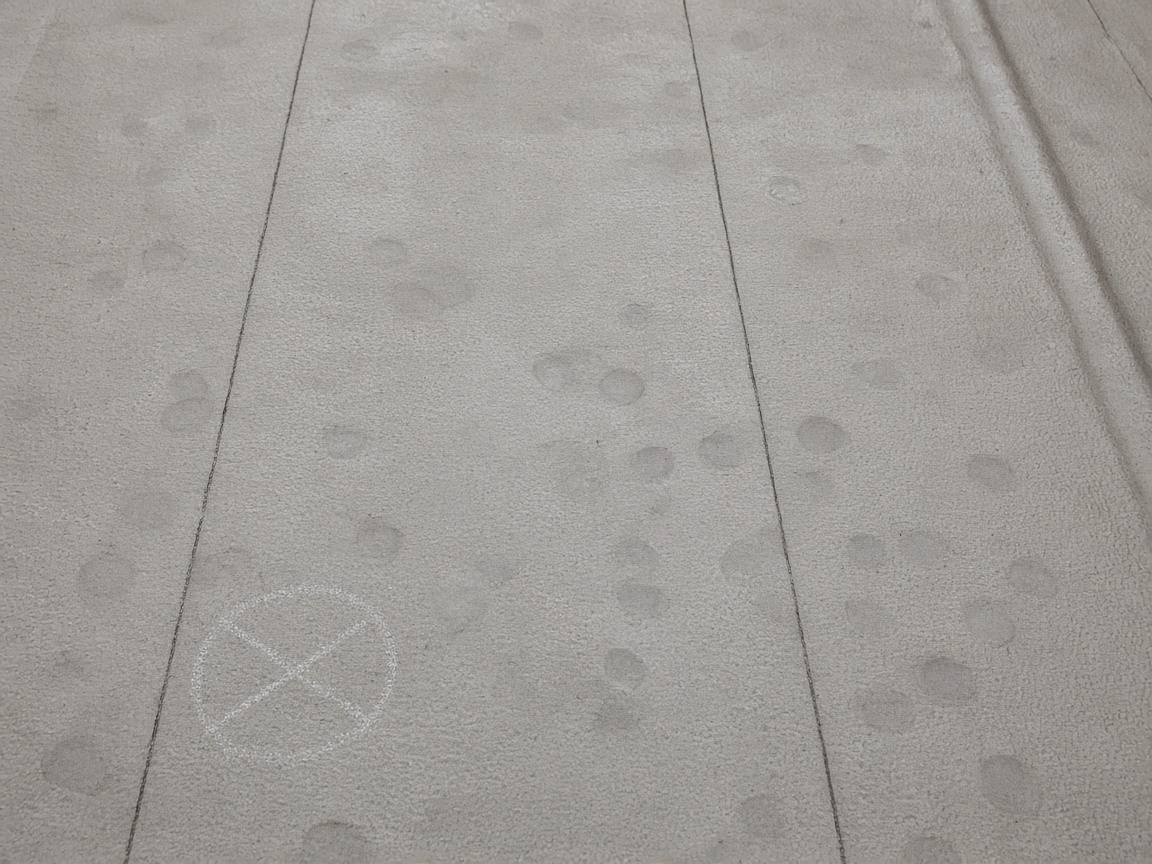
Commercial roof membrane with hail marks and a chalk inspection circle.

01/How we work

Five instruments. One order.

Inspection, documentation, substantiation, carrier presentation, restoration. Crews change by market. The order does not.

The mark is the start of the file·Not a client property

01

Inspect

We survey the field, the perimeter, and the details that open in wind and hail: membrane or panel, seams, fasteners, edge metal, flashings, and drainage. The inspection records the roof as it is, including wear that will not be called storm damage.

The file receives

Roof plan, measured area, assembly notes, and photographs keyed to location.

02

Document

Dates, access, and conditions sit beside what was seen. Inference is labeled as inference. A commercial desk will not indemnify a stack of unlabeled photographs, and we do not ask it to.

The file receives

A chronology, a labeled photo index, and the conditions under which the roof was observed.

03

Substantiate

Hail bruising, wind displacement, and the openings that follow are tied to the event. Ordinary aging and deferred maintenance stay on the owner’s side of the line. A file that overreaches is a file a carrier sets aside.

The file receives

A damage theory, a marked plan, and an explicit split between storm scope and owner-retained items.

04

Present

Findings, extent, and the scope required to return the roof to pre-storm condition are presented together. A reviewer should be able to audit the record without calling the crew. That is the standard we build to.

The file receives

A carrier presentation: property identification, storm context, evidence, and a scope tied to the evidence.

05

Restore

Repair or replacement follows the substantiated loss. Where code, remaining service life, or the owner’s capital plan supports more than a like-kind repair, the update is specified and priced on its own. Proceeds fund what the policy allows. They are not a blank check.

The file receives

A restoration specification aligned to the loss, and a separate line for any upgrade.

Before the next storm

A condition record, not a forecast.

When an owner asks for the roof to be written down before a loss, the instruments are the same ones used after a storm. The record is for comparison: the next file can show what changed. It is not a remaining-life score, a prediction of the next claim, or a laboratory product.

One storm, several roofs

Order the list on paper.

Roofs open to weather come first, then occupied buildings taking water, then the rest of the portfolio under one documentation standard. The event and the date are written into each file as reported. NCR does not publish a storm tracker, a crew count, or a board of who is available tonight.

One record. Three readers.

A partner
The loss is documented. Storm scope is separated from maintenance. The spec matches the file.
A carrier
Plan, photographs, damage theory, and the scope required to return the roof to pre-storm condition.
The owner
The deductible, and anything that is not storm damage, stay with you. An upgrade is shown as an upgrade.

Before an owner authorizes a file.

Who retains NCR?
The property owner. The carrier is the audience for the file, not the client.
Are you a public adjuster?
No. NCR is not licensed as one and does not decide coverage or the value of a claim. Broker, counsel, and any licensed public adjuster stay separate.
Do you guarantee proceeds?
No. Coverage follows the policy, the storm, and the carrier’s review. The obligation is a file that lets that review happen on the facts.
When does restoration start?
When the scope matches what the file supports and the owner authorizes the work. If the roof is open to weather, temporary protection is sequenced so the building is secured while the evaluation continues.
Can the roof be updated, not only patched?
When code, remaining service life, or the capital plan supports more than a like-kind repair, the same proceeds can fund an updated system. It is specified on its own line. It is not automatic.